How to Decline Extra Work Without Seeming Uncooperative
Let's be honest. That instant stomach drop when the boss slides another task your way. You're already treading water. Your projects are the plates you're spinning. This new ask is a bowling ball. But you smile. You nod. You say "sure thing" through a clenched jaw. Why? Because "no" sounds unprofessional, right? Lazy, even. It's not. That feeling is the workplace's greatest con. We're conditioned to believe availability equals value. It doesn't. It's just the fastest route to burnout city.
Forget Flat Out 'No' – Use This 3-Part 'N.O.W.' System
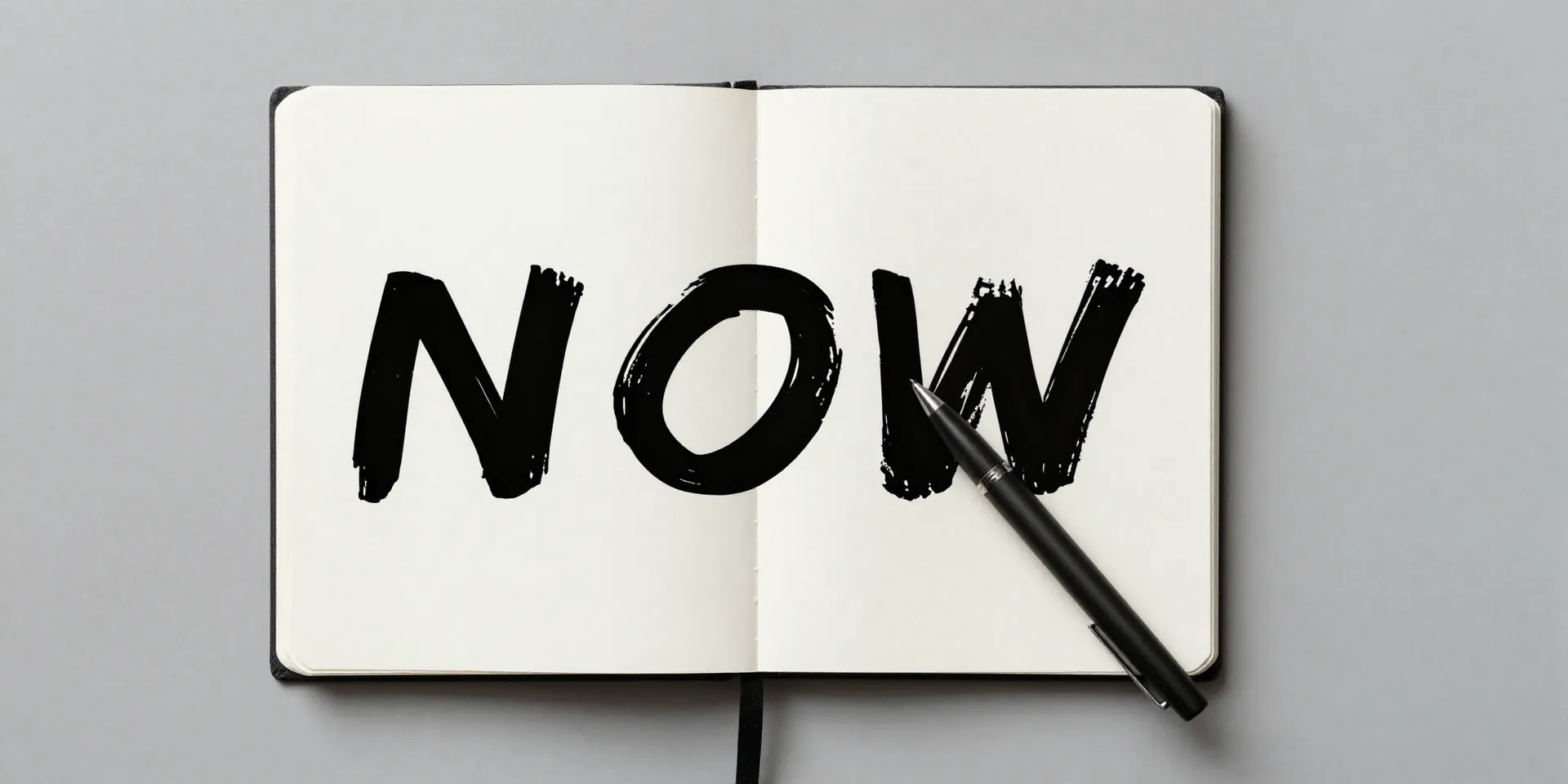
Stop thinking of it as saying no. You're not a toddler refusing broccoli. You're a professional managing a portfolio of work. So here's a simple filter. I call it the N.O.W. system. N ormalize the pause. "Let me check my current priorities." O wn your commitments. "Right now, I'm focused on X and Y to hit this Friday's deadline." W ork on a solution. "To take this on, we'd need to push Y back or find additional support." See? You didn't refuse. You initiated a resource conversation. Big difference.
Actually, Boss, Here's How That Would Work...

The magic is in the reframe. Swap "I can't" for "Here's what it would take." This shifts you from obstacle to strategist. Try it. "I'm really glad you thought of me for this. To do it justice alongside my core project, I'd need an extra two days on the original deadline. Can we make that work?" Or, "That sounds like a critical initiative. My bandwidth is locked on Project A this week. Should we deprioritize Task B to make room, or is there someone else who could lead this?" You're not being difficult. You're being transparent about trade-offs. That's valuable intel for any manager.
It's Not a One-Time Conversation. It's Your Culture.
This isn't a trick you pull once. It's the vibe you cultivate daily. It starts small. Don't answer Slack at 10 PM. Block focus time on your calendar and treat it like a client meeting. When you consistently communicate your workload, "no" (or rather, the N.O.W. framework) becomes a predictable part of your professional rhythm. People will start to see you not as a doormat, but as someone who respects their own time and the team's goals enough to be honest about capacity. That's not being uncooperative. That's being a reliable, grown-up asset.
The 'Bossy' Secret to Burning Out Less & Achieving More
Here's the counterintuitive truth nobody in the breakroom will tell you: Setting boundaries makes you better at your job. Period. When you protect your focus, the work you *do* choose gets your full, sharp, creative energy. You stop half-finishing five things and start brilliantly completing two. You become known for quality, not just busyness. Your mental health stops being the collateral damage of your career. That’s not just a win for you. It’s a win for everyone who gets to work with the present, engaged, non-burnt-out version of you.